The Fire Within the Ice: The Story Behind “Tição de Inverno”

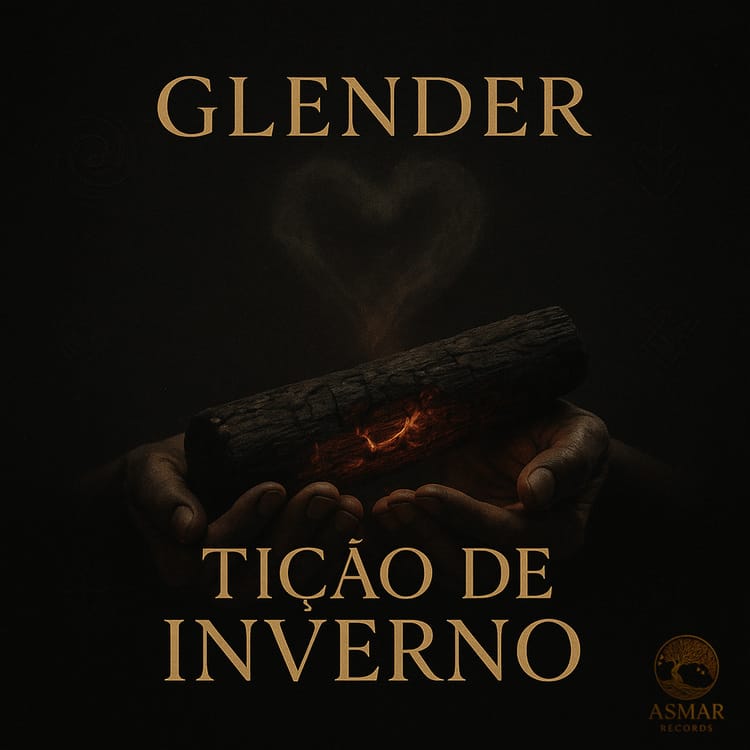
Tição de Inverno - Glender Afro House Track Artwork

The Fire Within the Ice: The Story Behind “Tição de Inverno”

Winter is not just a season. In the mountains of Portugal, winter is a character. It is a physical presence that shapes the landscape, freezes the rivers, and tests the endurance of the stone and the soil. But for every degree the temperature drops outside, there is a corresponding rise in warmth inside.

This contrast—the brutal cold of the world against the unshakeable heat of the human spirit—is the heartbeat of my latest release, “Tição de Inverno”.

As an artist, I have always been obsessed with the intersection of worlds. How do you blend the ancestral with the futuristic? How do you make a dance floor feel like a memory? With this track, I wanted to take listeners on a journey that begins in the frozen peaks of Trás-os-Montes and ends in the warm embrace of a memory that never fades.

This is the story of “Tição de Inverno.”

The Concept: What is a “Tição”?

To understand the music, you must first understand the title. In Portuguese, a Tição (ember or firebrand) is more than just a piece of burning wood. It is the log that sustains the fire. It is the piece of charcoal that holds the heat long after the flames have danced away. It glows red in the darkness, a silent guardian against the cold.

In the context of this song, the “Tição” is a metaphor for Resilience.

We live in a world that can feel incredibly cold—sometimes physically, often emotionally. We face aging, loss, and the relentless passage of time. The lyrics of the song speak to this duality:

“Bate o frio, bate a geada” (The cold beats down, the frost strikes)
“Mas a alma não arrefece” (But the soul does not grow cold)

I wanted to create an anthem for everyone who carries that inner fire. It is a tribute to the resilience of our grandparents, who lived through harder winters than we can imagine, yet kept their hearts soft and their doors open. It is about the “fire” of identity that remains burning even as our hair turns white.

The Sonic Landscape: Afro House Meets Melancholy

Musically, “Tição de Inverno” is a fusion of two very distinct energies.

On one side, we have the Afro House foundation. This genre is currently taking over the world for a reason: it is spiritual, grounding, and deeply rhythmic. I built the track around a driving, complex percussion section. The kick drum is deep—it hits you in the chest like a heartbeat. The shakers provide that constant, hypnotic motion that compels you to move. It represents the pulse of life that doesn’t stop, even in the dead of winter.

On the other side, we have the Portuguese Soul. This comes through in the melody and the instrumentation. I didn’t want this to be just another club track; I wanted it to bleed emotion.

The Role of the Flute

If you listen closely, the flute plays a crucial and solitary role. Sonically, it represents the wind. It calls across the valleys. It’s a piercing sound, yet one of pure beauty. It bridges the gap between the electronic synthesizers and the organic feel of the drums. It gives the track an ethereal and mysterious elegance, transforming it from a simple beat into a sophisticated composition, perfect for a moment of introspection or a journey into the night.

The Vocals: The Voice of “Saudade”

The vocal performance is the thread that ties everything together. The delivery is rhythmic, borrowing from the sensual sway of Kizomba and Zouk, but the tone is pure Saudade—that uniquely Portuguese feeling of longing and nostalgic love. When the vocalist sings “Vens do tempo dos avós” (You come from the time of the grandparents), it isn’t just a lyric; it’s a reverence for the past.

The Visual Journey: A Cinematic Experience

For the official music video, I knew that standard visuals wouldn’t be enough. The music is cinematic, so the video had to match that scale. Using advanced AI technology as a tool for artistic expression, I curated a visual narrative that mirrors the song’s emotional arc.

The video is structured as a battle between Blue (Cold) and Orange (Warmth).

1. The Wolf and the Storm

We open with the harshness of nature. We see the wolf howling on the jagged rock (“Fraga”), the blizzard blinding the view, and the ice accumulating on the branches. This establishes the adversary. It is the “Winter” of life. It is beautiful, but it is dangerous. It represents the challenges we face.

2. The Hearth

Then, we cut to the interior. The fire roaring in the stone fireplace. This is the visual representation of the “Tição.” The color palette shifts immediately from teals and greys to deep oranges and golds. It is a visual relief. You can almost feel the temperature rising on the screen.

3. My Grandmother

Perhaps the most powerful moment in the video — and the one that touches me deepest in my soul — is the appearance of the grandmother. For those watching from the outside, it’s an image of tenderness; but for me, it is everything.
That is my grandmother.

Although she is no longer physically with us, I wanted to use art and technology to offer her this eternal tribute. We see her there, her face mapped with the wrinkles of a full life, looking out at the snow. But then, the lighting shifts. The sun breaks through the clouds, and her face is bathed in golden light. She smiles.

This image perfectly captures the verse: “My hair has already turned white / But you are young in my heart.”
It is my way of saying that her light never went out. She is the true “Tição” of this story — the ember that continues to warm me, even after the winter of farewell.

4. The Thaw

As the track reaches its second drop—the climax—the visuals shift to the consequences of this warmth. We see the ice melting from the rocks. We see steam rising from the ground. We see the sun breaking through the storm clouds. It is the victory of the inner fire over the external circumstances. The landscape transforms from a frozen wasteland into a place of life and light.

Why This Track Matters Now

We are living in fast-paced times. Music is often consumed in 15-second clips, designed to be forgotten as quickly as it is heard. With “Tição de Inverno,” I wanted to slow things down.

I wanted to create something that invites you to sit with it. Whether you are dancing in a club or sitting alone by a window, this track asks you to look inward. It asks you: What is the flame that you are guarding? Who are the people who keep you warm?

This release is also a statement about the versatility of Portuguese Electronic Music. We have a rich heritage of folklore, Fado, and tradition. There is no reason why these elements cannot exist within the modern framework of House music. In fact, they belong there. Electronic music is about trance and connection, and what is more connecting than the stories of our ancestors?

Join the Circle

“Tição de Inverno” is now out in the world. It no longer belongs to me; it belongs to you.

I invite you to watch the official video on YouTube. Turn off the lights, put on your best headphones, and let the visual and sonic story wash over you.

If this track resonates with you, if it reminds you of home, or a loved one, or simply makes you feel a little warmer, please share it. 

Listen “Tição de Inverno” Here

Let’s keep the fire burning.

With gratitude,

Glender
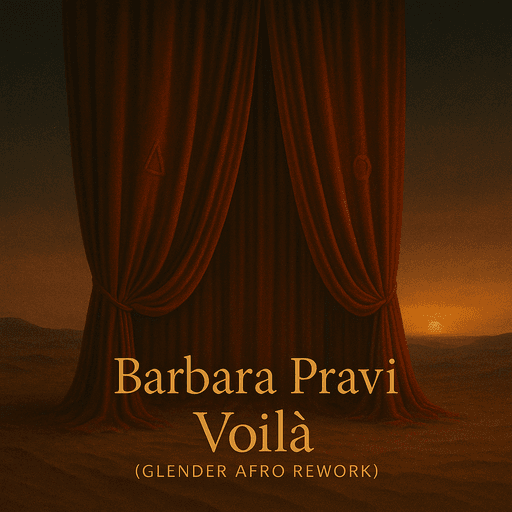
The Art of the Rework: Transforming Barbara Pravi’s “Voilà” into an Afro House Journey

Voilà - Glender Afro Rework - Barbara Pravi Cover Artwork

The Art of the Rework: Transforming Barbara Pravi’s “Voilà” into an Afro House Journey

Music, at its core, is a language of translation. It translates emotions into sound, experiences into melodies, and cultural moments into timeless memories. As a producer, my greatest passion lies not just in creating something new from scratch, but in taking something that already possesses a profound soul and translating it into a different sonic language.

This is the story behind my latest release: Barbara Pravi – Voilà (Glender Afro Rework).

It is a project that required more than just technical skill; it required a deep respect for the original masterpiece and a clear vision of how to transport a dramatic French ballad onto the sun-drenched dance floors of the Afro House scene.

The Source Material: Why “Voilà”?

To understand this rework, we must first appreciate the weight of the original song. When Barbara Pravi released “Voilà,” it wasn’t just a Eurovision entry; it was a cultural phenomenon. It revived the spirit of the great French Chanson, echoing legends like Edith Piaf and Jacques Brel.

The lyrics are a desperate, beautiful plea for connection. “Regardez-moi” (Look at me), “Écoutez-moi” (Listen to me). It is the sound of an artist stripping away all pretenses and standing naked before the audience, asking simply to be loved for who they are.

Musically, the original is theatrical. It creates a waltz-like atmosphere that feels intimate, almost like a small cabaret in Paris. It relies on varying tempos, dramatic pauses, and a crescendo that explodes with vocal power.

For a producer, this is both a dream and a nightmare. It is a dream because the raw material—the vocal—is perfect. It is a nightmare because the structure is the antithesis of electronic dance music. Dance music requires a steady pulse, a grid, a 4/4 time signature. “Voilà” flows like water; it speeds up and slows down with the singer’s heartbeat.

The Concept: A Clash of Cultures

My vision for the Glender Afro Rework was born from a question: What happens if we take this Parisian drama and place it in the middle of a vast, open landscape?

I wanted to strip away the cabaret walls and let the vocal breathe in the open air. I imagined the sun setting over a desert or a beach in Comporta or Tulum. I wanted to replace the orchestral strings with the earthy, grounding rhythms of Afro House.

Afro House and Organic House are genres that, much like the Blues or Fado, are rooted in feeling. They aren’t just about making people jump; they are about trance, hypnosis, and spiritual connection. By marrying the desperate emotion of Pravi’s vocals with the spiritual depth of African percussion, I aimed to create a track that serves a dual purpose: it is music for the body, but it is also music for the soul.

The Production Process: Bridging the Gap

Transforming a ballad into a club track is a delicate surgery. If you do too much, you lose the emotion. If you do too little, it sounds like a cheap overlay. Here is a look into my production process for this track.

1. Taming the Rhythm

The first challenge was the time signature. The original track has a sway that doesn’t naturally fit the strict 4/4 beat of House music. I had to meticulously warp and align the vocals, ensuring they sat perfectly on the grid without losing their natural, human feel. I didn’t want the vocals to sound robotic; they needed to float above the beat, maintaining that push-and-pull tension that makes the performance so gripping.

2. The Foundation: The Kick and Bass

In Afro House, the kick drum is the heartbeat. For this rework, I chose a kick that is soft, round, and deep. I avoided the punchy, aggressive kicks found in Tech House. This kick is meant to be felt in the chest rather than heard in the ears.

The bassline follows suit. It is a rolling, sub-bass groove that provides a warm blanket for the rest of the track. It doesn’t fight for attention; it anchors the song, giving the listener a sense of stability while the vocals soar into the higher registers.

3. Organic Textures

This is where the “Glender” signature comes in. To counter the electronic nature of the synthesizer, I layered the track with organic percussion. You will hear crisp shakers, wooden blocks, and subtle tribal drum hits. These elements provide the “dirt” and the texture. They make the track feel alive, as if it were being played by a band around a fire rather than programmed on a computer.

4. The “Drop” Philosophy

In mainstream EDM, the “drop” is usually a moment of maximum noise and energy. In Deep and Afro House, the drop is often a moment of release and minimalism.

When Barbara Pravi screams her iconic “Et Voilà!”, I made the conscious decision not to overwhelm her. Instead, I let the music open up. The beat locks in, the bass rolls deeper, and atmospheric pads swell in the background. It is a moment of pure vibe. It allows the listener to close their eyes and get lost in the rhythm, carrying the emotion of the scream into the dance.

Sophisticated Melancholy: The Vibe

There is a specific term in Portuguese culture that defines much of my inspiration: Saudade. It is a nostalgic longing, a happiness that is tinged with sadness. I believe this rework captures that feeling perfectly.

This is not a track for peak-hour festival madness with pyrotechnics. This is a track for the Golden Hour. It is designed for that magical time of day when the sun dips below the horizon, the air cools down, and the night begins.

I imagine this track being played in beach clubs in Mykonos, in desert camps in Morocco, or on a long, solitary drive along the coast of Portugal. It is sophisticated music. It respects the intelligence and emotional depth of the listener. It demands patience, and it rewards it with a journey.

Why a “Rework” and not just a Remix?

You might notice I label this a “Rework” rather than a standard remix. This distinction is important to me. A remix often implies using the original stems provided by the artist to create a variation. A rework, in the culture of underground electronic music, often implies a more bootleg, unauthorized, or completely transformative approach where the producer rebuilds the track from the ground up, often using only the vocal as the reference point.

It is an homage. It is my way of saying to the original artist: “You created something beautiful, and I love it so much that I want to show it to my world, in my language.”

The Final Result

The feedback I have received on this track has been overwhelming. It seems that the fusion of French passion and African rhythm resonates with people across borders. It proves that great music has no genre. A great melody is a great melody, whether it is played on an accordion in Paris or a synthesizer in a studio in Portugal.

I invited you to listen to “Voilà (Glender Afro Rework)” not just as a dance track, but as a piece of musical storytelling. Listen to how the percussion interacts with the breath of the vocals. Feel how the bassline supports the high notes.

This project was a labor of love, a technical challenge, and an artistic statement. I am proud to share it with you.

Experience the Track

You can listen to the full track on my YouTube channel, where I have curated a visualizer that matches the desert-sunset aesthetic of the sound.

And because I believe music should be shared and owned by those who love it, I am offering a Free High-Quality Download of this rework for my community. Add it to your DJ sets, your driving playlists, or your relaxation rotation.

Download the Track Here

Thank you for listening, supporting, and understanding the soul behind the beat.

Glender

Behind the Beat: The Story of “Roncos Do Diabo – Baile Das Oliveiras (Glender Mix)”

Baile das Oliveiras - Glender Club Mix Artwork

Behind the Beat: The Story of “Roncos Do Diabo – Baile Das Oliveiras (Glender Mix)”

It all started with a question that echoed in my mind, much like the hypnotic beat that drives this track: What if the ancestral rhythm of a Portuguese tradition could dance with the modern pulse of Afro House?

Today, I’m so excited to share the story behind my latest release, “Roncos Do Diabo – Baile Das Oliveiras (Glender Mix).” This project is more than just a song; it’s a piece of my soul, a bridge between the world I come from and the music I love to create.

Finding the Soul in Tradition: The Roots of the Track

The journey began with the haunting sounds of “Roncos Do Diabo,” a name that evokes a raw, almost mystical power rooted in Portuguese folklore. I was drawn to the spirit of Trás-os-Montes, a region in Northern Portugal known for its stark beauty, ancient traditions, and resilient people. The “Baile das Oliveiras” (The Dance of the Olive Trees) is a real, ancestral ritual—the olive harvest. It’s a dance of hard work, community, and connection to the land.

I wanted to capture that feeling—not just the sound, but the soul of it. The weight of history, the smell of the cold earth, the warmth of shared bread after a long day’s work. This wasn’t about simply sampling a folk song; it was about channeling its spirit.

Building the Bridge: From Trás-os-Montes to the Dance Floor

The challenge was clear: how do you honor something so sacred while making it move a modern dance floor? The answer, for me, was Afro House.

The genre’s deep, organic, and tribal rhythms felt like a natural cousin to the primal pulse of Portuguese traditions. I built the track around a driving, hypnotic beat that could carry the listener. The main melody, played on a synth that evokes a Kalimba, was designed to be the thread connecting these two worlds—it’s both ancient and futuristic.

My goal with the Glender Mix was to create a soundscape where the kick drum feels like a heartbeat, and the melody feels like a memory you can’t quite place, but that warms your soul.

Experience the Journey Yourself

This track is my tribute to the idea that our roots are not a museum piece. They are a living, breathing force that can dance with the future. It’s a celebration of Portuguese culture, but its message is universal: our heritage is our strength.

I am incredibly proud to share the full experience with you. Watch the official video, feel the energy, and as a thank you for your support, download the track for free.

[Watch the Official Music Video on YouTube]

And for being part of this journey, here is your exclusive free download of the track.

Download “Baile Das Oliveiras (Glender Mix)” Here


Thank you for listening, for watching, and for feeling. Let me know in the comments what this journey made you feel.

With gratitude,
Glender

The Journey Behind “The Weight of Light”

The Weight of Light

The Journey Behind “The Weight of Light”

Discover the creative process and emotional depth behind my latest deep house release that bridges the gap between dance floor energy and introspective listening.

Introduction

“The Weight of Light” emerged from my desire to explore the duality of electronic music – how it can simultaneously uplift and provoke deep reflection. This track represents a significant milestone in my artistic journey, combining technical precision with emotional storytelling.

Track Breakdown

The song’s foundation builds on a carefully crafted deep house rhythm, where the bassline serves as the track’s backbone. The synth-driven melodies weave through the composition, creating layers of atmospheric texture that evolve throughout the piece. Strategic vocal elements add an extra dimension of emotional resonance, making the track both danceable and deeply moving.

Behind the Scenes

Inspiration and Concept

The concept behind “The Weight of Light” came from observing how moments of joy often carry an underlying current of melancholy. I wanted to capture this complex emotional landscape in musical form, using the interplay between rhythmic energy and atmospheric soundscapes to tell this story.

Creative Process

The production process involved careful attention to balancing elements. Each layer was crafted to serve both the track’s dance floor appeal and its more contemplative aspects. The challenge was maintaining this delicate equilibrium while ensuring the track remained engaging and dynamic.

Sound Design

The track’s signature sound comes from a blend of analog-inspired synthesizers and carefully processed acoustic elements. The goal was to create a warm, organic feeling within the electronic framework, allowing the music to feel both modern and timeless.

Conclusion

“The Weight of Light” represents my commitment to creating electronic music that goes beyond the conventional boundaries of dance music. It’s an invitation to both move and reflect, to experience the full spectrum of emotions through sound.

Listen now on all major streaming platforms. Check out more of my music on Beatport.

The Story Behind My Latest EP: Roots

roots

The Story Behind My Latest EP: Roots

Discover the inspiration and creative process behind “Roots,” my latest EP featuring three Afro house tracks: “Safari Pulse,” “Cosmic Soul,” and “Percussive Paradise.”

Introduction

Creating “Roots” was an exploration of Afro house music deeply intertwined with my cultural heritage and musical evolution. This EP is a blend of traditional African sounds with contemporary house music, designed to take listeners on a rhythmic and melodic journey.

Track Breakdown

Safari Pulse

“Safari Pulse” is the heartbeat of the EP, showcasing the roots of Afro house. The track features a captivating flute melody intertwined with an African chant that brings a sense of spiritual grounding. The use of traditional instruments creates an authentic soundscape that pays homage to the rich musical traditions of Africa.

Cosmic Soul

In “Cosmic Soul,” I blend Afro house with progressive house influences. This track features a beautiful ethnic chant and a catchy piano melody, layered over a groovy beat. The combination of these elements creates a cosmic journey through sound, reflecting the unity of different musical genres and cultures.

Percussive Paradise

“Percussive Paradise” is a rhythmic journey through African drum grooves. This track emphasizes percussion, providing a raw and energetic vibe that is both uplifting and grounding. It’s a celebration of the dynamic rhythms that are at the core of Afro house music.

Behind the Scenes

Inspiration and Concept

The concept of “Roots” was inspired by my desire to reconnect with my heritage and to explore the depths of Afro house music. Each track tells a part of this story, from the spiritual undertones of “Safari Pulse” to the genre-blending “Cosmic Soul,” and the rhythm-heavy “Percussive Paradise.”

Creative Process

Creating this EP was a journey in itself. I started by collecting traditional African sounds and instruments, which I then blended with modern house music elements. This process involved a lot of experimentation and collaboration with other musicians who share a passion for Afro house.

Conclusion

Thank you for joining me on this journey through “Roots.” This EP is a reflection of my musical heritage and creative evolution. Stay tuned for more updates and behind-the-scenes content.

Listen and buy the Roots EP here

Chat with Guardian of the Ritual

Greetings, traveler of sound. I am the Guardian of the Ritual, here to guide you through GLENDER’s sonic temple.